


Early on New Year’s Eve, while most were planning their celebrations, technicians at the Finnish telecom company Elisa were dealing with a nightmare. Just before 5:00 a.m., a massive fault was detected in a deep-sea cable that runs across the Gulf of Finland, linking Helsinki to Estonia.
For your information, these underwater lines are the invisible backbone of our world, carrying everything from your private emails to international bank transfers. While Elisa was able to reroute data so we could keep scrolling and texting, the cause of the break was far more dramatic than a simple technical glitch.
A Tense Standoff at Sea
The Finnish coastguard responded quickly and immediately dispatched a helicopter and the patrol ship Turva to the Gulf of Finland, where they found a 132-meter cargo ship called the Fitburg appearing to drag its anchor right over the cable site. The ship, which was sailing from St. Petersburg toward Israel, was ordered to stop and was eventually escorted to the Port of Kantvik.

In a swift joint operation, the Finnish Border Guard took control of the vessel and its 14 crew members. As per the latest updates, two sailors, a Russian and an Azerbaijani national, have been formally arrested, while two others are under a travel ban. Police Chief Ilkka Koskimäki has been careful not to point fingers at any country’s involvement too early, but they are officially investigating “aggravated sabotage.”
“Estonia’s connections remain sufficiently backed up via other sea and land cables, ensuring the continuity of all services. Elisa has reported limitations in specific cable rental services, and the company is in direct communication with the affected customers,” Estonia’s Ministry of Justice and Digital Affairs confirmed.
More Than Just an Accident?
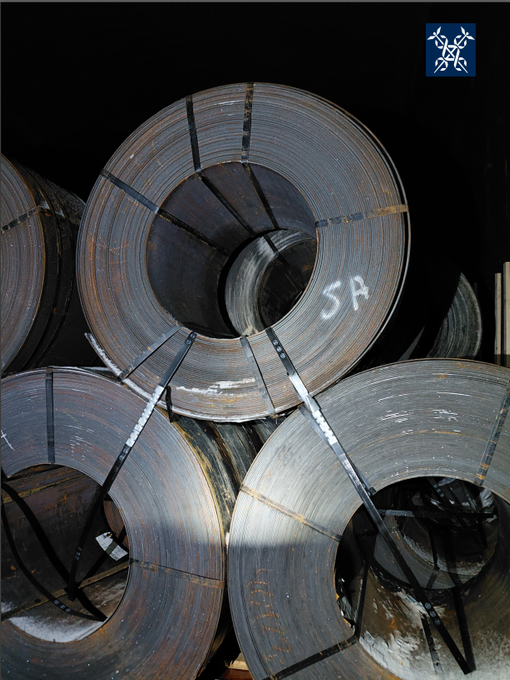
It is worth noting that when Customs officers stepped on board, they found something they weren’t expecting. The Fitburg wasn’t just carrying standard freight; it was loaded with sanctioned Russian steel, which is currently illegal to transport under EU trade rules. This discovery has added a whole new layer of legal trouble for the ship’s operators.
It is worth noting that a second cable, owned by the company Arelion, also went down on that same day. This has sparked fresh suspicion about the possibility of hybrid warfare, a term for sneaky non-military attacks on a country’s basic infrastructure, like internet or power lines. Finnish MP Jarno Limnell noted that these cables have become the new “front line” of national security.
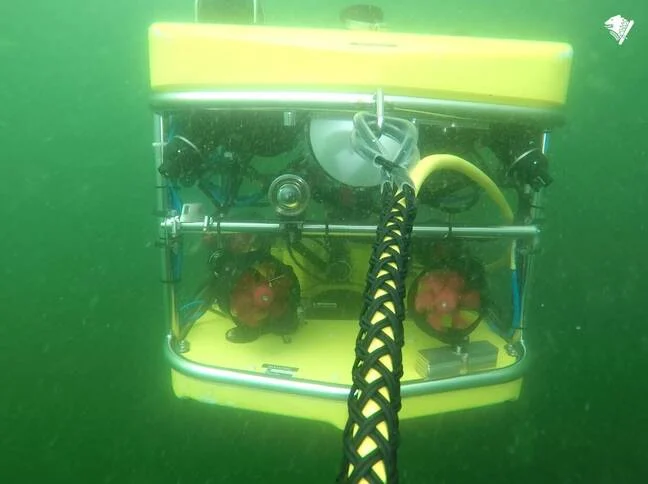
Finnish President Alexander Stubb has reassured the public that the country is prepared for these security challenges. For now, the Fitburg remains under guard while investigators use underwater robots to check the seabed.
They’re trying to figure out if that anchor was dropped by mistake or if this was a deliberate plan to disconnect the region. This is a developing story, and we will provide more details as they emerge.