




Press play to start listening
The importance of securing digital assets has grown significantly, making wallet security a top priority for cryptocurrency investors. Although blockchain is recognized as one of the most secure technologies, the wallet the user chooses for digital currencies significantly affects the safety of these assets.
There are various types of wallets used, where hot wallets and cold wallets are the most frequently adopted ones. The choice of the wallet is determined by various factors such as frequency of trading, investing objectives, and trends in the security world.
The rise in the usage of cryptocurrency has resulted in increased attention towards the safety of wallets used by both individual and institutional investors. According to the Chainalysis Crypto Crime Report for 2025, illicit cryptocurrency accounts collected approximately $40.9 billion in 2024, which means that there is still a need for secure practices in this sphere.
Meanwhile, the Triple-A Global Crypto Ownership Report for 2025 states that more than 560 million people around the world own cryptocurrencies, and this means that effective storage becomes even more important.
Understanding Hot Wallets
Hot wallets remain connected to the internet, allowing users to quickly send, receive, and manage their cryptocurrencies. Examples of hot wallets include mobile apps, desktop applications, browser extensions, and wallets on exchanges. Their simplicity makes them attractive for traders and users with frequent transactions.
For users who trade regularly, reliable platforms that combine exchange services with secure account management features can make day-to-day transactions more efficient while supporting access to multiple cryptocurrencies through regulated environments.
According to XBO.com, a crypto exchange and fintech platform, many traders also look for features such as liquidity services, Crypto-as-a-Service APIs, corporate payment solutions, and other digital asset infrastructure that support both individual and business use cases. Even so, experienced investors often keep only a portion of their holdings on exchanges and store the majority in personal wallets as part of a broader security strategy.
Why Cold Wallets Offer Stronger Protection
Cold wallets keep private keys offline, significantly reducing the risk of remote attacks since they are stored offline. The most popular types of cold wallets include hardware and paper wallets. As they do not connect to the internet, no one can hack a cold wallet and gain access to any assets it may contain.
Cold wallets immensely enhance security and are especially appealing to investors with a lot of digital tokens that they plan to hold for a long time. While cold wallets require more effort to use than hot wallets, those investors who understand the importance of extra security willingly sacrifice some convenience to achieve better protection.
Choosing the Right Wallet for Your Needs
Choosing a secure option will depend to a large extent on the purpose for which you use cryptocurrency. Daily users may consider a hot wallet as it is easy to use, while persons who use cryptocurrency for a longer period probably select cold storage in order to reduce cyber risks.
Following crypto news is also important because wallet technology continues to evolve. Developers regularly introduce new security features, firmware updates, multi-signature solutions, and biometric authentication methods that improve the protection of digital assets. Staying informed helps investors adopt best practices as the security landscape changes.
Combining Both Approaches
Most experienced investors do not rely only on a single wallet type but distribute their assets into hot and cold wallets. They usually keep small amounts in hot wallets for intraday trading and move the rest to cold storage.
This approach balances convenience with stronger security and provides protection from losses in case one type of storage is hacked. Companies operating with large amounts of digital assets introduce almost the same procedures and use custodial solutions as well as their own security methods.
Best Practices for Wallet Security
Regardless of the wallet type, several habits can significantly improve security:
- Never share private keys or seed phrases.
- Store recovery phrases offline in secure locations.
- Keep wallet software and device firmware updated.
- Enable two-factor authentication whenever available.
- Verify website addresses before logging into wallet services.
- Consider using multiple wallets to separate long-term holdings from everyday transactions.
As reported in the FBI’s Internet Crime Report 2024 (PDF), various types of online scams with investment aspects resulted in reported losses amounting to billions of dollars throughout 2024, which enhances the necessity of using secure storage and strict personal cybersecurity measures.
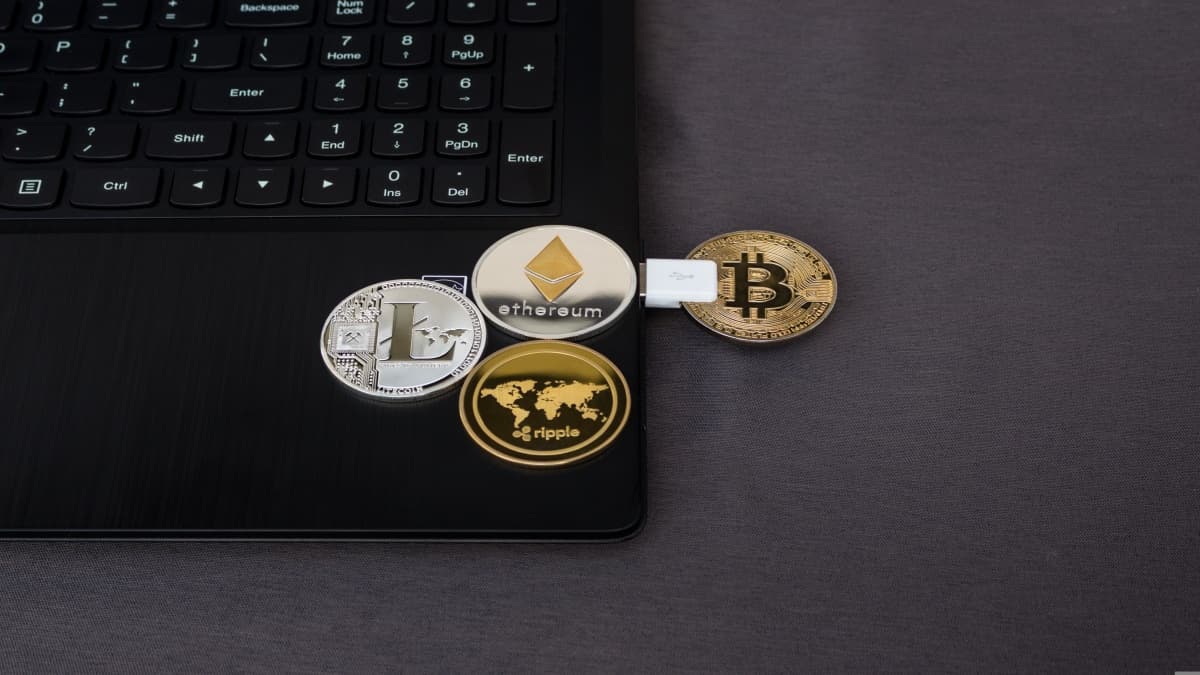
(Image by WorldSpectrum from Pixabay)