






Press play to start listening
Disclosure: This article was provided by ANY.RUN. The information and analysis presented are based on their research and findings.
An employee downloads an AI application or follows a seemingly legitimate setup guide. Everything looks normal, but behind the scenes, attackers may be stealing corporate credentials, hijacking browser sessions, or gaining access to business systems.
New research from ANY.RUN, based on 1,258 public sandbox analyses, reveals how attackers exploit trusted AI brands and legitimate platforms to target organizations, including those in the US. The findings raise a critical question for security leaders: Can existing security controls detect these threats before corporate access is compromised?
US Companies Among the Main Targets of Fake AI Campaigns
Between April and October 2026, ANY.RUN researchers examined 1,258 public sandbox analyses linked to fake AI campaigns. Among submissions with available country information, the US accounted for 16%, second only to India.
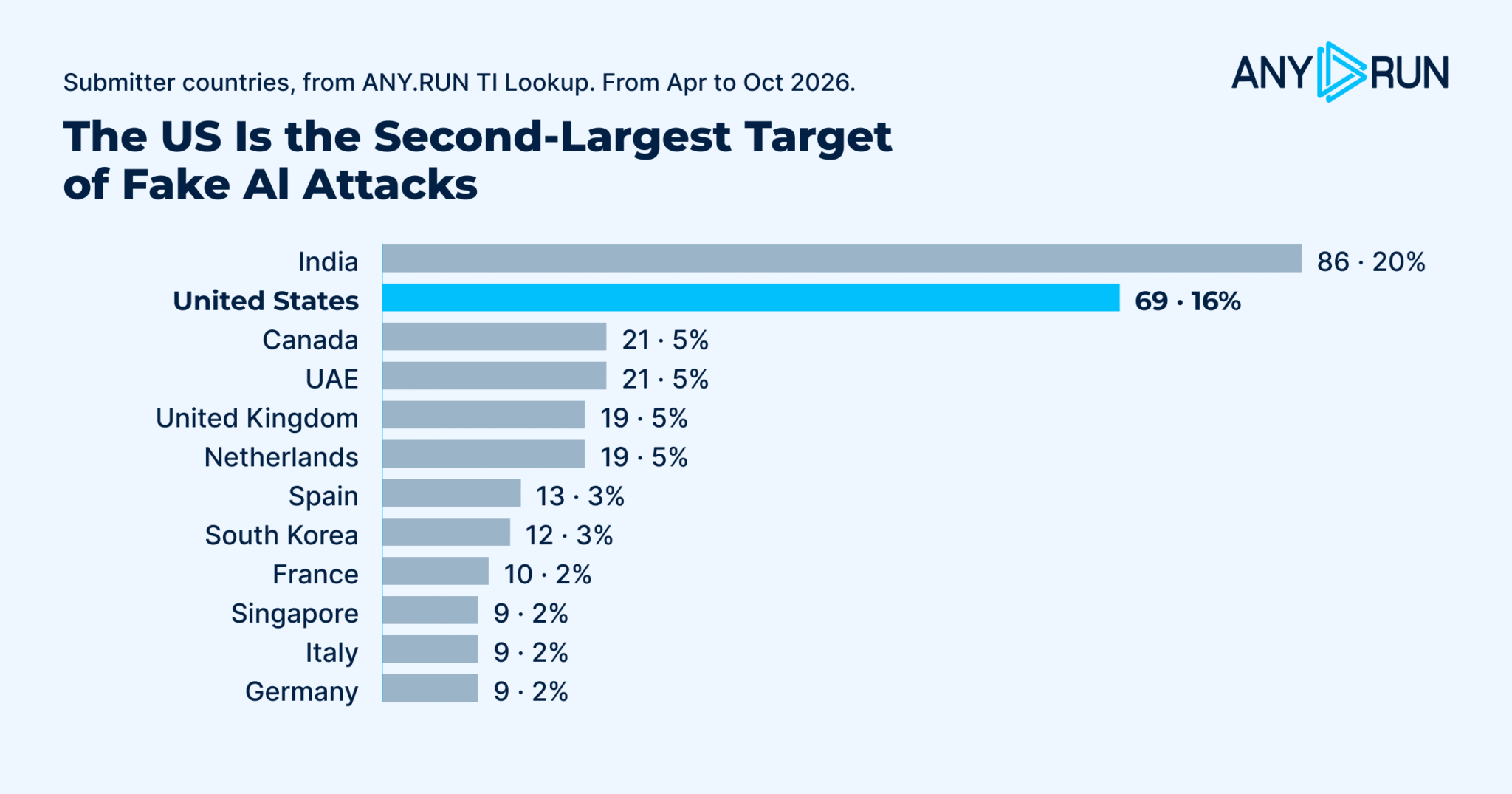
The US also ranked first in two specific attack categories: fake Claude download campaigns and ChatGPT-themed attack chains.
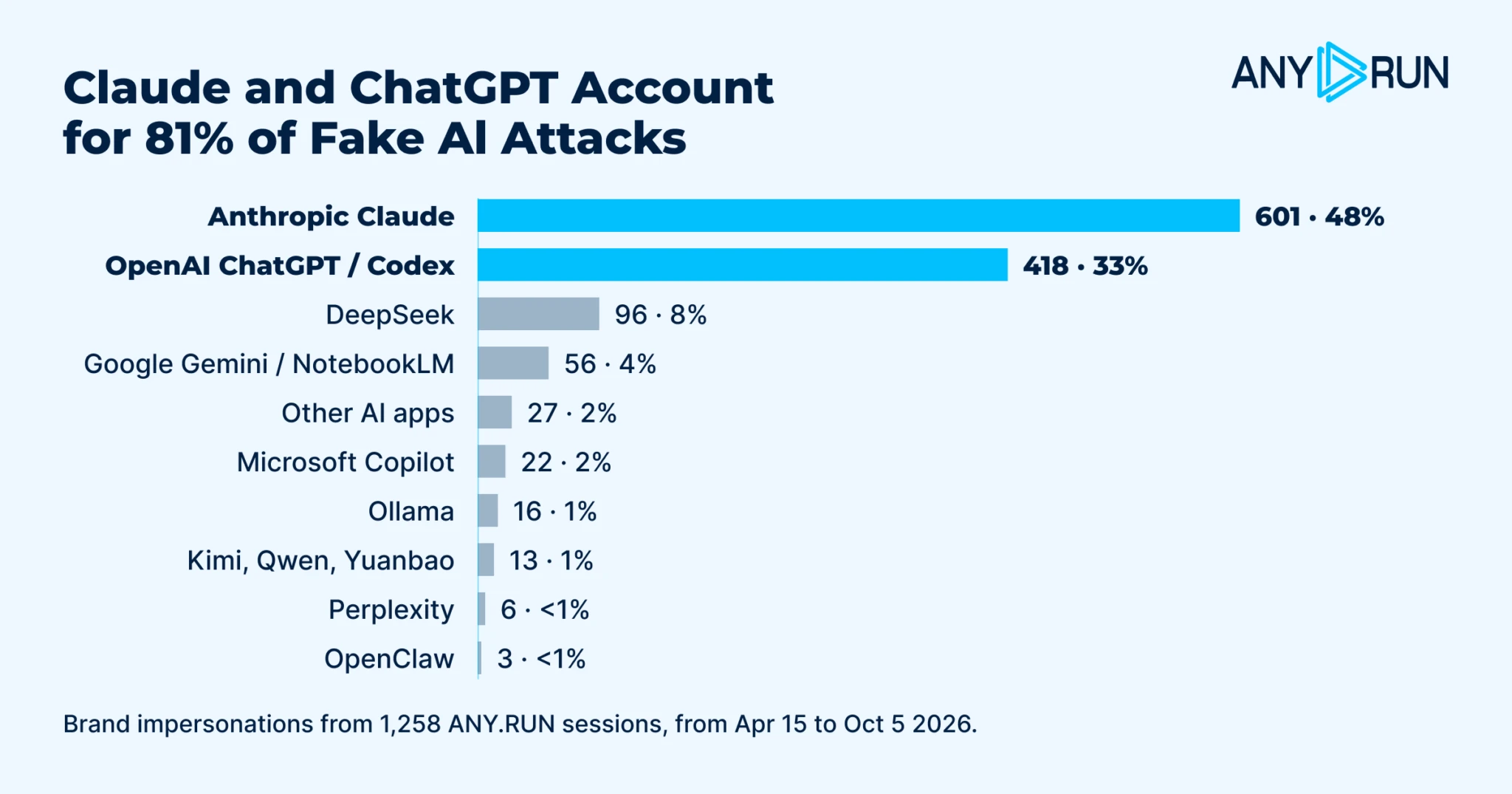
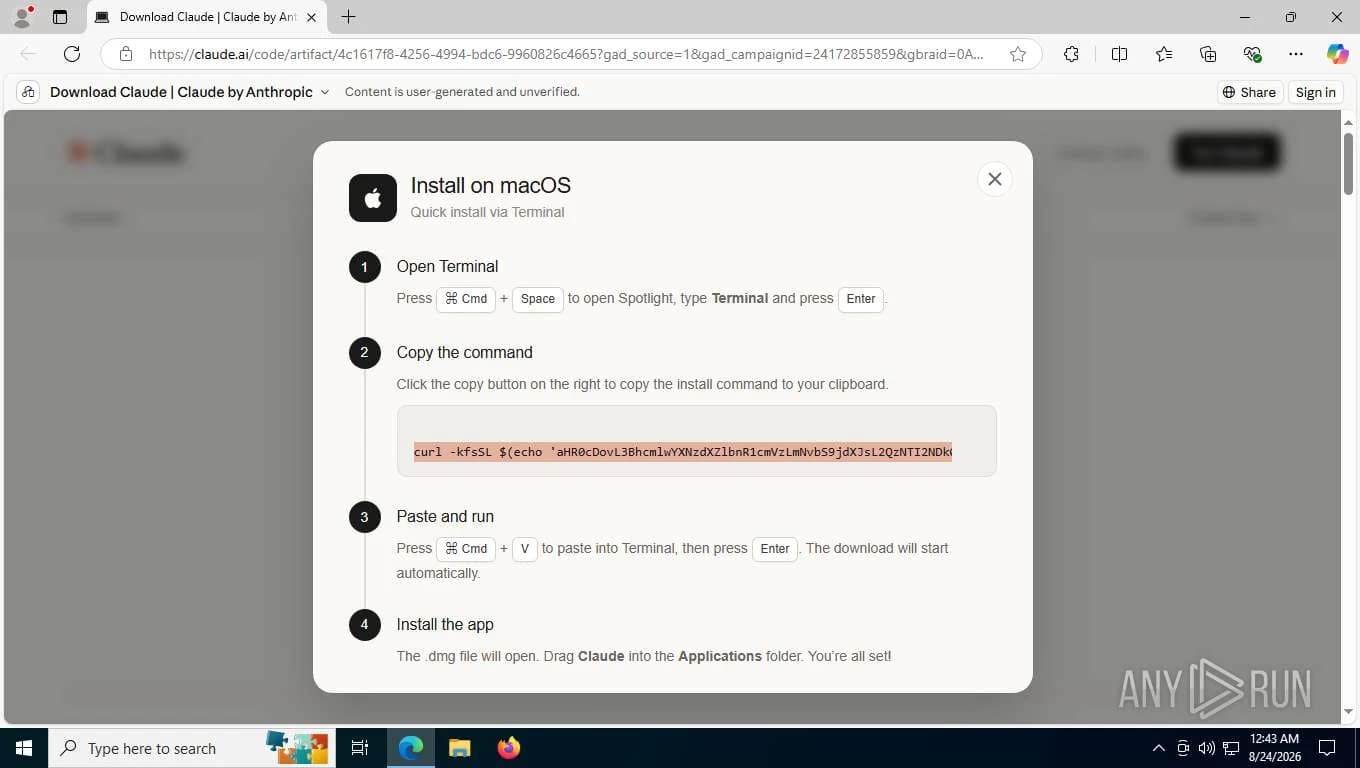
The research shows that attackers are using more than counterfeit download pages. Malicious installation instructions, shared AI conversations, and advertising campaigns are creating multiple opportunities to reach employees and compromise business accounts.
| Reduce the risk of costly breaches, protect business-critical assets, and strengthen security without adding pressure to your existing resources. Reduce Your Business Risk |
How Fake AI Attacks Unfold
Although attackers impersonate different AI brands, many campaigns follow a similar pattern. Employees encounter what appears to be a legitimate AI service, follow installation instructions, and unknowingly execute malicious code.
A typical attack involves four stages:
- Initial contact: Attackers reach employees through fake ChatGPT or Claude websites, sponsored search results, or shared AI conversations.
- Employee interaction: The victim downloads an installer or follows instructions to run a command in PowerShell or Terminal.
- Malware execution: Malicious code runs in the background, potentially deploying infostealers or collecting browser credentials and session data.
- Corporate exposure: Stolen credentials or active sessions may allow attackers to access business accounts and sensitive information.
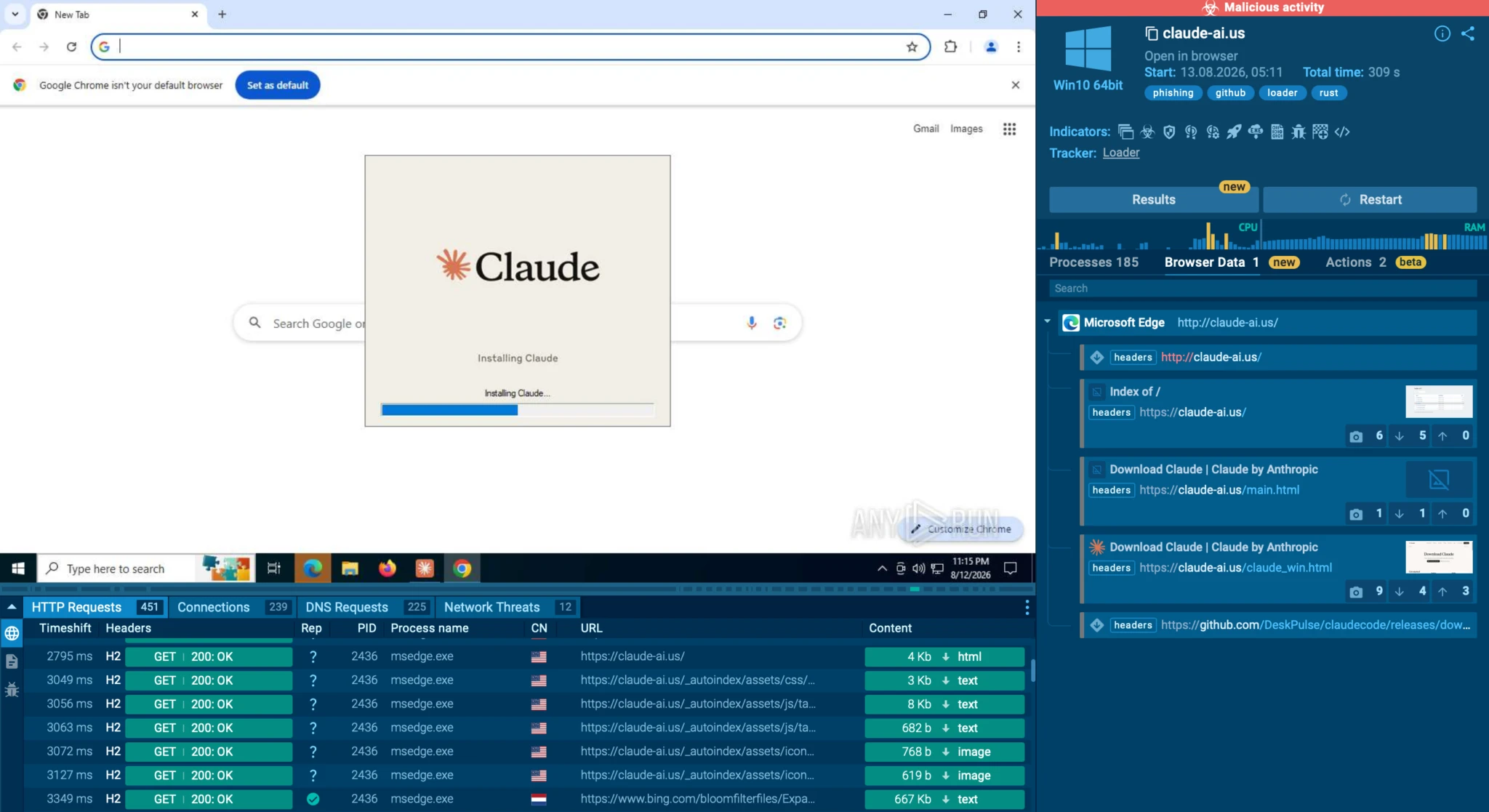
In one case investigated by ANY.RUN, a trojanized Claude installer launched the real application while secretly creating a scheduled task to collect browser session data. The application appeared to work normally, even though malicious activity was taking place in the background.
What Fake AI Attacks Put at Risk for US Businesses
A single malicious AI download can create problems far beyond one compromised device. When attackers steal credentials, hijack browser sessions, or gain remote access, the consequences can spread across business operations.
The main risks include:
- Compromised corporate accounts: Stolen credentials and browser sessions may give attackers access to business email, cloud services, and internal applications.
- Exposure of sensitive information: Unauthorized access can put customer data, financial records, and confidential business documents at risk.
- Broader network compromise: Malware deployed through fake AI installers can provide a foothold for further malicious activity across corporate systems.
- Operational disruption: Investigating compromised accounts and endpoints can require device isolation, session revocation, and temporary restrictions on business applications.
For security leaders, these risks extend beyond malware prevention. They affect business continuity, data security, and the resources required to investigate and recover from an incident.
How Enterprises Can Detect and Respond to Fake AI Attacks
For enterprises, addressing these risks requires more than blocking suspicious downloads. Security teams need reliable ways to examine unknown files, investigate malicious behavior, and identify threats across their existing infrastructure.
Three capabilities can help organizations strengthen their response:
- Analyze suspicious files and links in an isolated environment: ANY.RUN’s Interactive Sandbox lets analysts safely examine AI installers, URLs, and scripts to uncover hidden processes, malicious network connections, and credential-stealing activity. In a separate enterprise study, one financial organization achieved a median threat detection time of just 15.1 seconds during sandbox investigations.
- Give analysts the evidence needed to respond: ANY.RUN’s Tier-1 Reports provide structured investigation findings, including threat verdicts, observed behavior, and recommended next steps. This helps teams reduce manual analysis and make better-informed escalation and containment decisions.
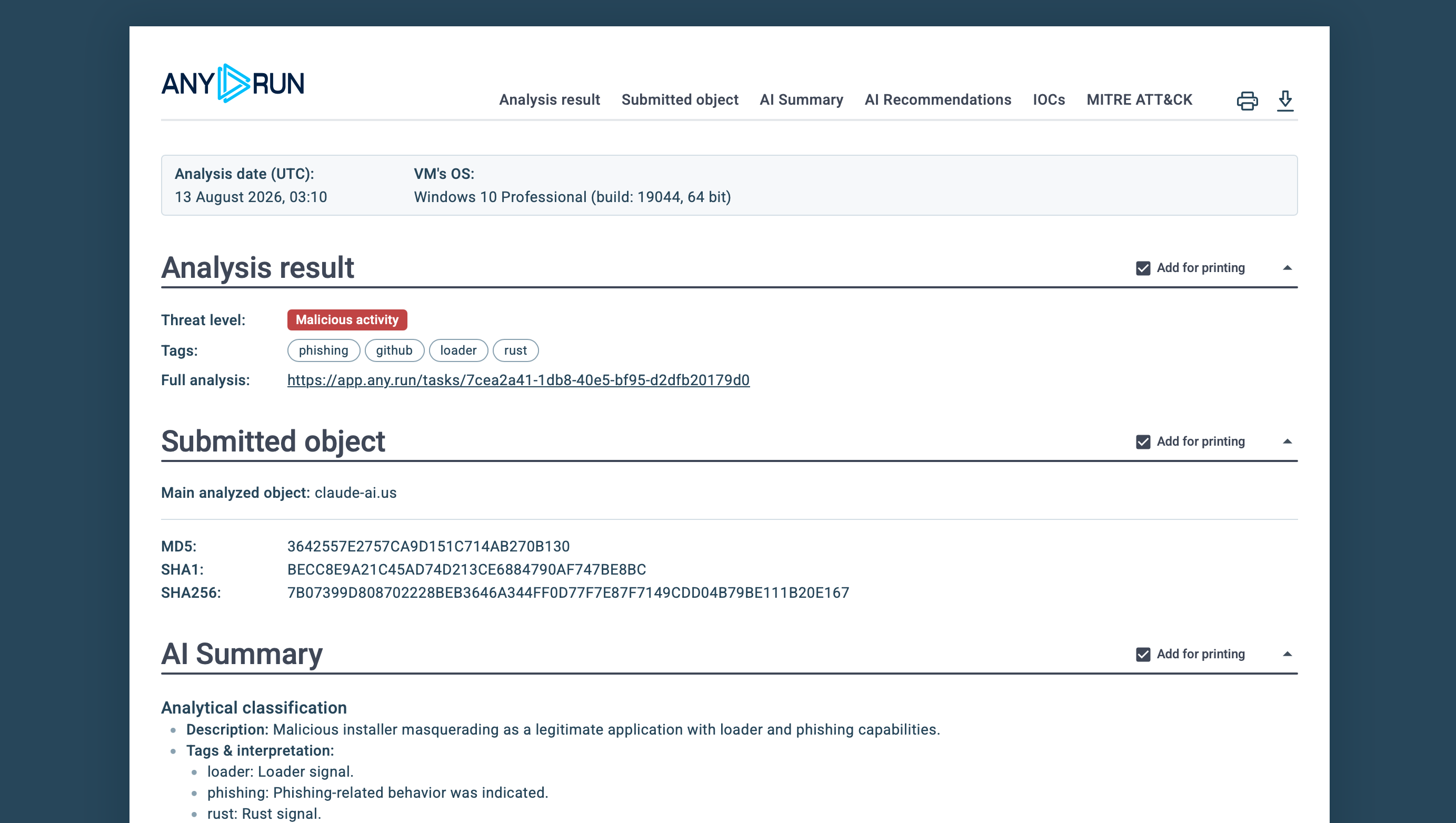
- Identify known threats across the security stack: ANY.RUN Threat Intelligence Feeds deliver continuously updated malicious indicators to existing SIEM, EDR, and SOAR systems, helping teams detect known malicious infrastructure within their established workflows.
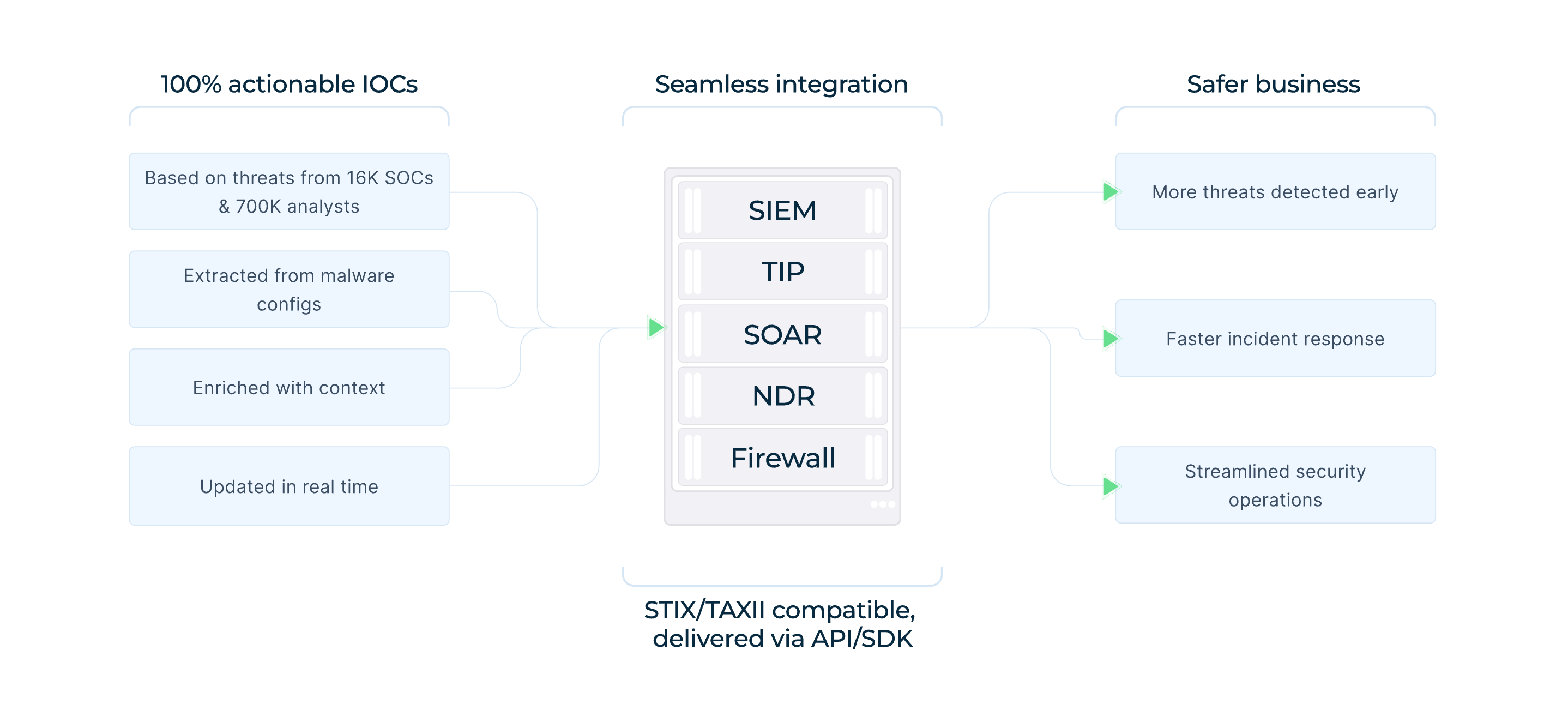
Together, these capabilities give SOC teams the visibility and investigation context needed to make informed response decisions without adding unnecessary manual work.
Limit the Damage of Fake AI Attacks with Faster Response
As fake AI campaigns exploit everyday business workflows, enterprises need security operations that can keep pace without increasing analyst workload or investigation costs.
Organizations using ANY.RUN report 20% less time spent on Tier-1 investigations, 30% fewer escalations to Tier-2, and 21 minutes less MTTR per incident. These improvements help security teams manage growing threat volumes with existing resources while reducing the potential impact of security incidents.
| Reduce the cost of security investigations, protect business-critical operations, and get more value from your existing SOC resources. Maximize Your SOC Efficiency |


