




Press play to start listening
Bitdefender Labs has identified thousands of suspicious Android apps using Google Play’s Early Access program, including fake reward apps, misleading utilities, and apps using recognizable brands without an apparent connection to their owners.
Google’s Early Access program allows developers to make unreleased apps available to users for testing and feedback before their official release. Users testing these apps cannot leave public reviews on Google Play, meaning their feedback is not visible to other prospective users.
Deepfake Ads Promote Fake Rewards
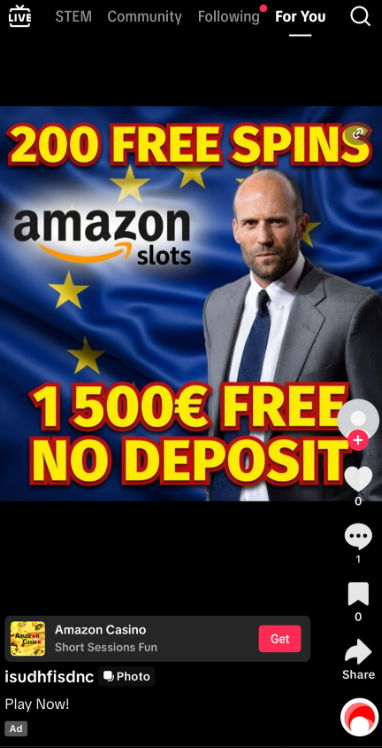
Bitdefender researchers found that some of these apps are promoted through TikTok and Facebook ads that include AI-generated videos impersonating athletes, actors, and other public figures, with fake endorsements promoting free spins, easy money, or investment returns. These promotions frequently spotlight titles like Chicken Road or Ice Fishing.
Some of the reward apps initially appear to provide quick virtual payouts. As users approach the amount required to cash out, progress can slow dramatically, or the promised payout may never materialize, while the app continues displaying advertisements.
QR Apps Abuse Android Launcher Access
Researchers also identified utility apps such as QR code scanners, PDF readers, and phone trackers. Some QR scanner apps attempted to register themselves as the device’s default Android launcher.
This could allow them to run hidden WebViews that continuously generate advertising clicks, potentially producing fraudulent ad revenue for the operators, while also displaying fake login windows for credential harvesting. The apps could also read incoming notifications to capture single-use authentication codes, enabling two-factor authentication (2FA) interception.
Google Play Trademark Abuse
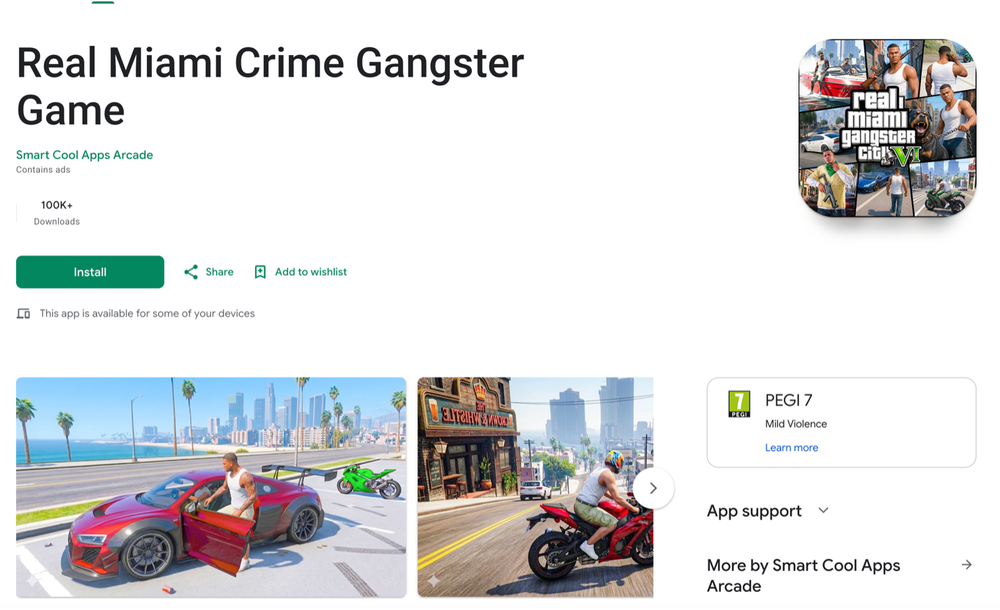
Bitdefender’s report shared with Hackread.com also found numerous applications using recognizable brands and trademark-themed titles. One application initially published as “Grand Theft Auto V (Early Access)” reached more than 1 million downloads. After Google Search indexed the app, the developers changed its name and replaced the screenshots with unrelated AI-generated images.
Bitdefender has reported similar abuse of Google Play in the past. As Hackread.com reported in March 2025, the company identified at least 331 malicious apps with more than 60 million downloads that displayed intrusive ads outside their normal context and, in some cases, phishing screens.
Bitdefender reported its findings to Google, which confirmed that it is investigating the issue. In the meantime, users should treat Early Access listings with the same caution as other pre-release software, particularly when apps promise financial rewards, imitate established brands, or arrive through social media advertisements.
(Photo by Rubaitul Azad on Unsplash)