



Press play to start listening
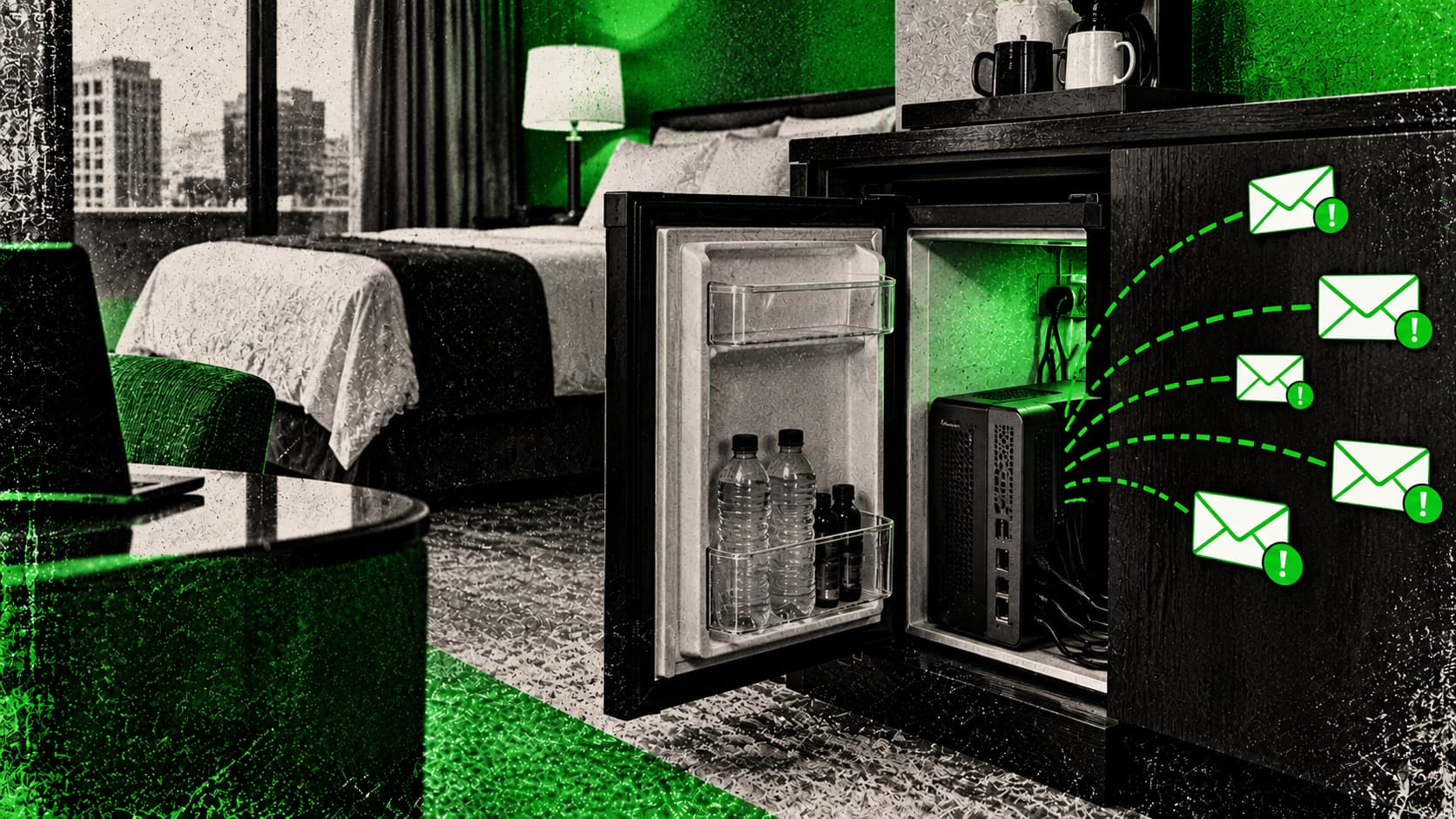
A computer hidden behind a hotel room refrigerator in Kobe was allegedly used to send around 480,000 phishing emails, according to Japanese investigators. A Chinese couple living in the city have been arrested in connection with the email campaign and separate purchases made using another person’s credit card details.
The suspects are Ye Jiafeng, 39, and his wife, Shen Qi, 39. Ye faces allegations of fraudulent obstruction of business and trespass over the hotel incident, while both were arrested on suspicion of computer fraud over the alleged credit card purchases. Police have not disclosed their response to the allegations.
Computer Hidden Behind Hotel Refrigerator
On 15 May, 2025, Ye allegedly entered a Kobe hotel with another person, pretending to be a guest. The pair hid a small computer behind the room’s refrigerator and left it connected to the hotel’s Wi-Fi.
The scheme came to light after a recipient of the phishing emails contacted the hotel because its IP address appeared in information linked to the messages. Hotel staff found the computer and reported the matter to police.
The seized computer contained around 2.4 million email addresses and records of approximately 480,000 emails sent. The messages posed as communications from credit card companies and directed recipients to fake websites that captured their card details and other personal information. Investigators believe another person controlled the computer remotely and sent the emails through the hotel’s internet connection.
The case is not the first reported abuse of hotel internet infrastructure. In July 2026, Hackread.com reported on attackers who compromised hotel Wi-Fi gateways to redirect users to fake Microsoft 365 login pages. In the Kobe case, however, the alleged method involved hiding a computer on the network rather than hacking into the hotel’s Wi-Fi equipment.
Police Probe Other Suspected Fraud
The phishing investigation is not the only case involving the couple. In January 2026, Ye and Shen allegedly used a smartphone containing another person’s credit card details to buy three items, including down jackets, worth about 470,000 yen (approximately HK$24,000) at a commercial facility in Kobe.
Japanese media reported that police also recovered 74 smartphones from their home. Further investigation revealed that the couple had been using other people’s card details to make purchases since around 2024, with the total value amounting to 10 million yen. Police are examining the confiscated phones to identify the source of the card information and whether others were affected.
The couple was indicted in September 2026 in a separate case involving phishing emails sent through another Kobe hotel’s Wi-Fi and purchases made with other people’s card details. Police are investigating whether other people directed the activity or helped run the operation.
The couple’s response to the latest allegations has not been made public. The case does not necessarily indicate a weakness in the hotel’s Wi-Fi security. Investigators believe the computer was physically hidden in a guest room and left connected to the hotel’s network for remote use.
Dr. Aleksandr Yampolskiy, Co-Founder and CEO at SecurityScorecard, said the case highlights how criminals can exploit a business’s internet connection without necessarily breaching its systems. He shared the following comments with Hackread.com:
“What makes this case unusual is that the suspects allegedly brought their own equipment into a legitimate business rather than compromising its systems. By hiding a computer in a hotel room and controlling it remotely, the operators could use the hotel’s internet connection to send phishing emails without being physically present.
“Using a legitimate network does not automatically make phishing emails harder for security tools to detect, but it can make the people behind the operation more difficult to trace. Investigators following the network activity may initially be led to the hotel rather than the individuals controlling the device.”