



Press play to start listening
To swap Bitcoin to Ethereum on a decentralized exchange (DEX), you need a cross-chain DEX that holds liquidity on both the Bitcoin and Ethereum networks. Most DEXs, such as those built on Ethereum, cannot accept native BTC at all; they only trade wrapped versions of it. THORChain is a decentralized cross-chain exchange that swaps native BTC for native ETH directly from your own wallet, with no account, no deposit to a company and no wrapped token involved.
Why can’t you swap Bitcoin on most DEXs?
A typical DEX lives on a single blockchain. Uniswap, for example, runs on Ethereum and other EVM networks and can only trade tokens that exist on those networks. Bitcoin is a separate blockchain, so native BTC never touches an Ethereum DEX.
What those DEXs trade instead are wrapped versions of Bitcoin, such as WBTC or cbBTC: Ethereum tokens backed by BTC held by a custodian. If you already hold wrapped BTC, you can swap it for ETH on an Ethereum DEX. But if you hold real BTC in a Bitcoin wallet, you first need to convert it into a wrapped token through a custodian or bridge, which adds a step and a party you have to trust.
A cross-chain DEX removes that problem. It holds liquidity on each connected blockchain, takes in BTC on the Bitcoin network and pays out ETH on the Ethereum network.
Centralized exchange vs decentralized exchange for BTC to ETH
| Centralized exchange (CEX) | Cross-chain DEX | |
| Account and identity checks | Account required, usually with identity verification | No account; you connect or send from your own wallet |
| Who holds your funds | The exchange, from deposit until withdrawal | You, except while the swap is being processed |
| Steps | Deposit BTC, trade, withdraw ETH | One swap from your wallet to your ETH address |
| Withdrawal limits or freezes | Possible, under the exchange’s policies | No account to limit or freeze |
| Pricing | Order book, plus trading and withdrawal fees | Liquidity pools, with fees that rise with trade size relative to pool depth |
A centralized exchange can make sense for frequent traders who want order books and fiat access. A cross-chain DEX suits people who want to keep control of their coins and simply convert BTC into ETH.
How does a cross-chain DEX swap BTC for ETH?
On THORChain, every supported asset sits in a liquidity pool paired with RUNE, the network’s settlement asset. A BTC to ETH swap moves through two pools, BTC to RUNE and then RUNE to ETH, in a single transaction from the user’s point of view. You never need to hold RUNE yourself.
The exchange’s vaults on Bitcoin and Ethereum are controlled jointly by its validators, called THORNodes, using threshold signatures, so no single operator holds the keys. Each node bonds RUNE as collateral that can be slashed for malicious behavior. Swaps within each block are also ordered by price impact, which is designed to resist sandwich attacks and other front-running.
How to swap BTC to ETH on THORChain: the short version
- Open a THORChain interface. Use the official THORChain Swap site or a wallet that integrates it. Type the address yourself or use a bookmark to avoid phishing copies.
- Choose BTC to ETH and enter the amount. Paste an Ethereum address you control as the destination. It can be a brand-new address, since the Ethereum fee is taken from the output.
- Review the quote. Check the expected ETH amount after all fees and the estimated time. For larger trades, turn on streaming swaps if available.
- Send the BTC. Sign the transaction in your Bitcoin wallet, or use the walletless option and send BTC to the generated deposit address. Native ETH arrives once the Bitcoin deposit is confirmed and the swap is processed.
What does it cost?
A BTC to ETH swap on a cross-chain DEX has three main costs: the Bitcoin network fee to send your BTC, a liquidity fee that depends on trade size relative to pool depth, and an outbound fee that covers the Ethereum transaction delivering your ETH. Some interfaces add their own fee on top. All of these are shown in the quote, so the number to compare is the ETH you will actually receive.
Small and medium trades generally see low price impact. For large amounts, streaming swaps split the order into smaller pieces executed over time, which reduces price impact in exchange for a longer wait.
How long does it take?
Timing depends mostly on Bitcoin. The exchange waits for enough Bitcoin confirmations before processing the swap, and larger deposits can require more confirmations. After that, the swap and the outbound ETH transaction are usually processed quickly. Interfaces show an estimated time with each quote and a tracker for each stage.
What are the risks?
Using a DEX removes the risk of an exchange freezing or losing your account balance, but it does not remove every risk. While a swap is being processed, your funds pass through the exchange’s vaults, so you rely on its code and validator set during that window. Trading can also be paused during upgrades or incidents, which can delay a swap or trigger a refund. If a swap cannot complete, for example because the price moved beyond your slippage limit, the BTC is refunded to your sending address minus network fees.
The most common user errors are avoidable: pasting a wrong or non-Ethereum destination address, reusing an expired quote, and using a fake interface. If you are new to the process, start with a small test swap.
Frequently asked questions
Can I swap Bitcoin to Ethereum on Uniswap?
Not native bitcoin. Uniswap runs on Ethereum and other EVM networks, so it can only trade wrapped BTC tokens such as WBTC or cbBTC. To swap native BTC for ETH on a decentralized exchange, you need a cross-chain DEX such as THORChain.
Is THORChain a decentralized exchange?
Yes. THORChain is a decentralized cross-chain exchange that swaps native assets between blockchains, including Bitcoin, Ethereum, Solana, XRP, Dogecoin and Litecoin, without wrapped tokens.
Do I need an account or KYC to swap BTC to ETH on a DEX?
No account is needed on THORChain. You swap directly from a wallet you control. Some third-party interfaces may apply their own policies, so check the terms of the one you use.
Do I need ETH to receive ETH?
No. The Ethereum network fee for delivering your ETH is deducted from the swap output, so you can receive ETH into an empty Ethereum address.
Is a DEX cheaper than a centralized exchange for BTC to ETH?
It depends on the trade size and the exchange. A DEX avoids deposit and withdrawal steps, while a centralized exchange charges trading and withdrawal fees instead of liquidity fees. Compare the final amount of ETH you would receive on each.
(Disclaimer: This article is for informational and educational purposes only and does not constitute financial or investment advice. Cryptocurrency trading involves risks, including price volatility, transaction failures, and possible loss of funds. Always conduct your own research, verify platform details, and understand the risks before making any transactions.)
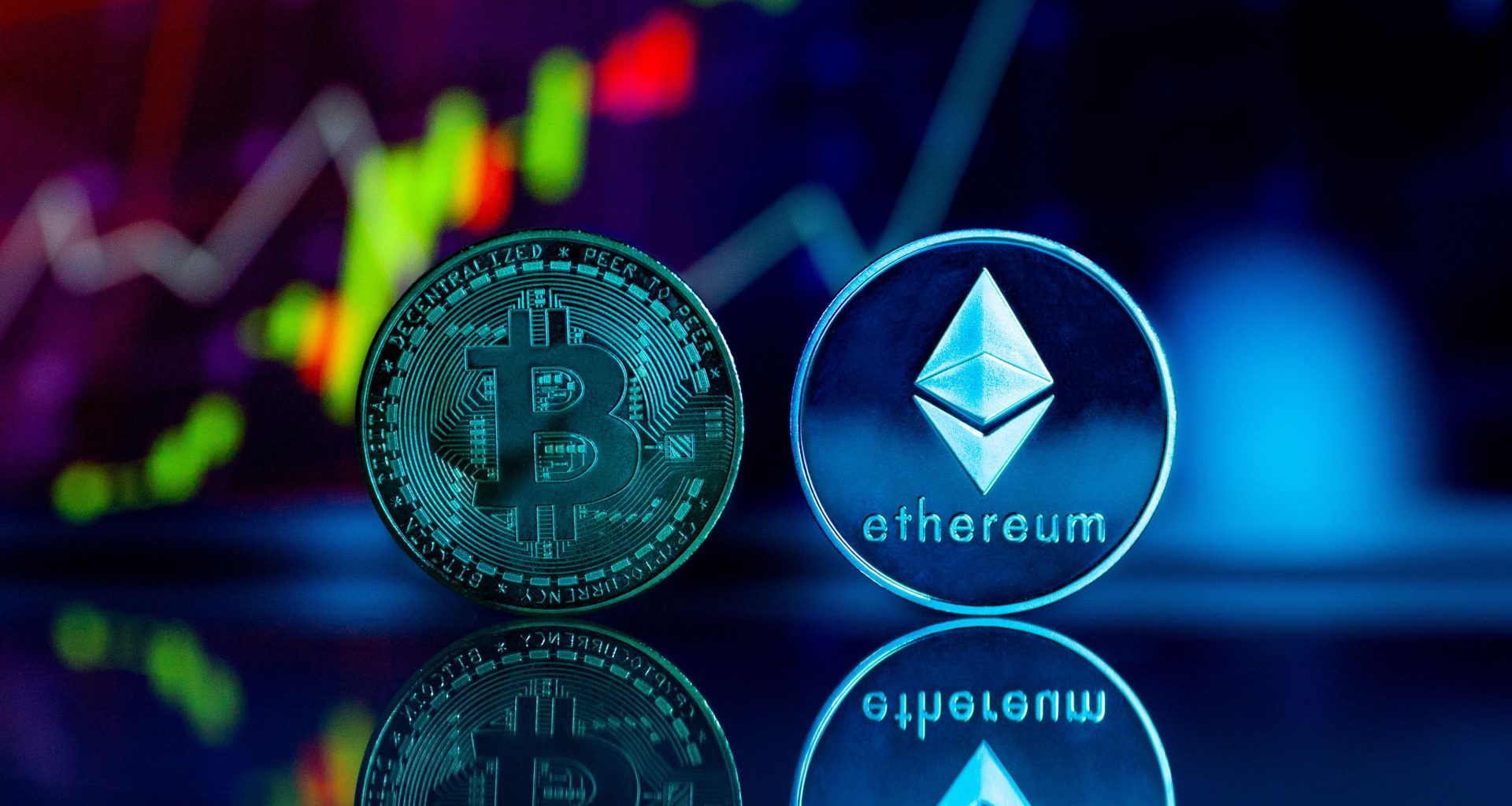
(Photo by Jonathan Borba on Pexels)